Kraftwerk Berlin Apologises Over Military AI Launch
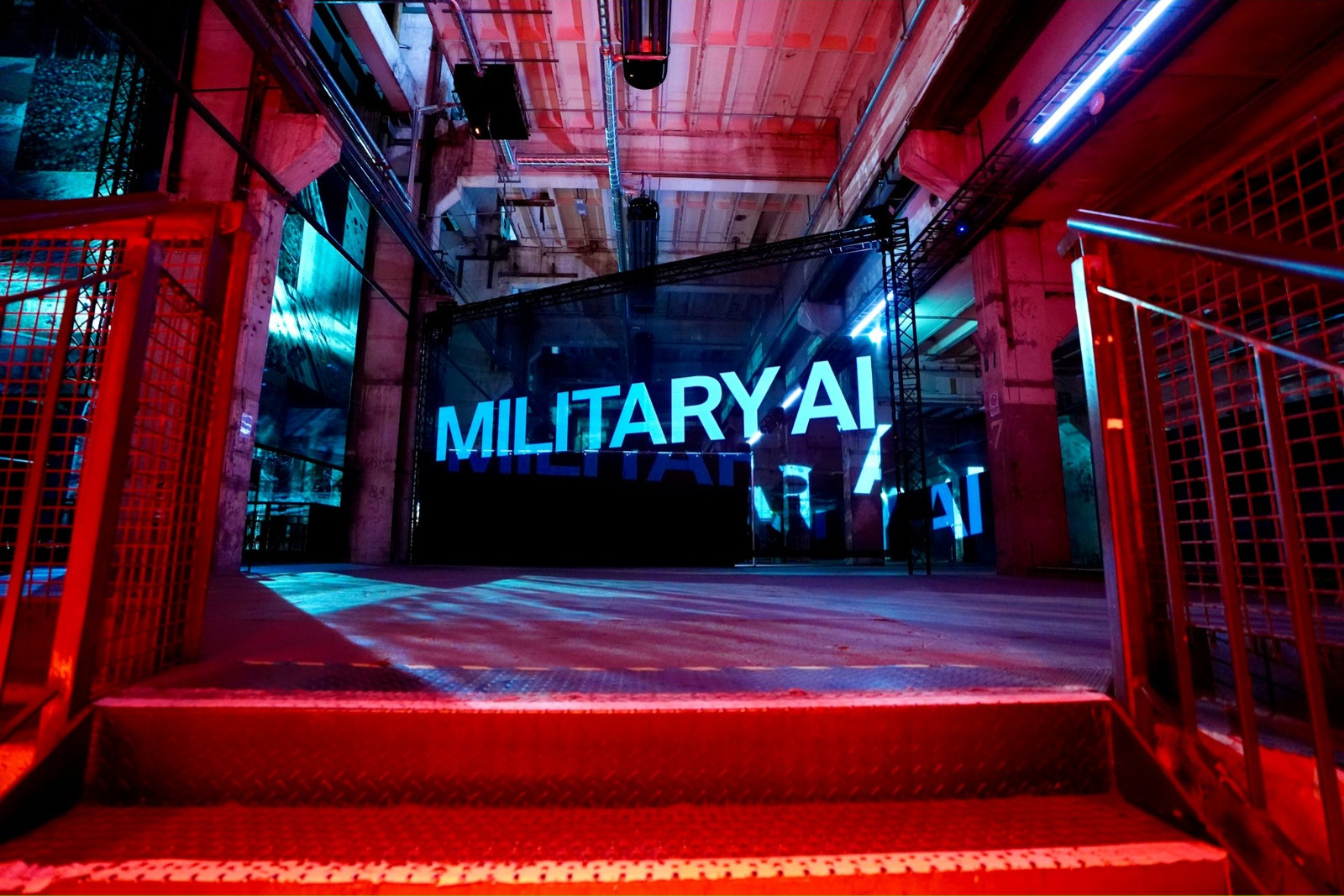
On 11 November 2026, German defence technology company Helsing unveiled its new military AI platform, Clarity, at Kraftwerk Berlin. The location was no ordinary conference venue. The former power station is one of the German capital’s best-known cultural spaces and shares a complex with the techno club Tresor and OHM. In the days that followed, the booking triggered criticism from organisations closely associated with the building, culminating in a public apology from Kraftwerk’s commercial team.
The dispute is not about a techno event organised by Tresor. It is about a commercial rental at Kraftwerk Berlin, a separate operation whose decisions became a point of contention for the clubs, festival organisers and cultural communities connected to the site.
What happened at Kraftwerk Berlin?
Helsing selected Kraftwerk’s Turbine Hall for the launch of Clarity, an AI-powered platform designed to help military operators process intelligence from different sources. Contemporary reporting describes military-themed staging and demonstrations inside the industrial space. Official Helsing photographs show the words “Military AI” projected across the venue.
In its 11 November announcement, Helsing described Clarity as software that can analyse information from drones, satellites, sensors, written reports and other sources, then help military personnel identify possible targets and prepare operational information. The company says human operators review evidence and authorise the hand-off to weapons. These are the manufacturer’s descriptions of its system, rather than an independent technical assessment of its real-world performance.
Why this particular building matters

Kraftwerk Berlin is more than an industrial setting. The repurposed power station has become a major venue for experimental music and art, while the adjoining complex houses Tresor, a foundational institution in Berlin’s techno history, as well as OHM. Berlin Atonal has staged large-scale musical and audiovisual programmes in the building’s halls.
These organisations are not interchangeable. Kraftwerk’s commercial venue rental business is distinct from Tresor and Berlin Atonal, which have their own teams and responsibilities. That distinction is essential to understanding the story, because neither Tresor nor Atonal says it approved the Helsing booking.
Tresor and Berlin Atonal speak out
Tresor and Tresor Records publicly condemned the event and said they had neither been involved in nor consulted about the booking. They also stated that Tresor does not receive income from Kraftwerk’s commercial rentals. Their objection was not simply that an unfamiliar company had used the space, but that a military technology launch was incompatible with the cultural identity they say their community has built.
Berlin Atonal likewise criticised the decision. The festival stressed its independence from Kraftwerk’s rental operation and called for transparent booking criteria, meaningful consultation and a formal role for cultural stakeholders when decisions affect their shared environment.
Kraftwerk accepts responsibility
Kraftwerk’s Head of Sales, Tjabo Reuter, accepted responsibility for agreeing to the booking. In a statement supplied to Resident Advisor, he described his decision as a “serious error of judgement”. He said the commercial team should have rejected the request or, at a minimum, consulted the cultural organisations operating at the site.
Reuter apologised to the organisations, staff, artists, visitors and partners affected. The venue said it would review how commercial bookings are assessed and involve cultural stakeholders in decisions of this significance. Tresor’s statement also said Kraftwerk had committed to donating the full proceeds from the event. Berlin broadcaster rbb24 subsequently reported that the proceeds were intended for Médecins Sans Frontières. A completed donation has not been independently confirmed in the sources reviewed for this article.
Where does Spotify’s co-founder fit in?
There is a separate link to the wider music industry. Daniel Ek, Spotify’s co-founder, is an investor in Helsing and a co-chairman of its board. Helsing announced a €600 million Series D funding round in June 2025 led by Ek’s investment firm, Prima Materia. The €600 million figure represents the total round, not an amount personally invested by Ek. In July 2026, Helsing announced a further $1.8 billion Series E round at a company valuation of $18 billion.
That financial connection is relevant to electronic music audiences, but it should not be confused with event involvement. The available reporting does not identify Spotify as an organiser of the Kraftwerk launch.

The question for Berlin’s club culture
The controversy exposes a difficult tension for cultural venues that also operate as commercial rental businesses. Music communities help give a location its reputation and significance, while event-hire decisions may be made by a different team. Kraftwerk’s apology acknowledges that one set of decisions can affect the trust built by others.
The next test is what happens after the statements. Will the promised booking criteria and shared decision-making processes be introduced, and will their implementation be made public? Those developments matter more than an apology alone.
For electronic music communities beyond Berlin, the story raises a wider question: if a venue’s identity is inseparable from its artists, promoters and audiences, how much influence should those communities have over who gets to use the space?
Further reading on cultural venues: Berlin’s club economy and the pressures on venues and MS Stubnitz, Hamburg’s floating cultural space.
Sources and image credits
Helsing, Clarity launch announcement, 11 November 2026; Resident Advisor, statements from Kraftwerk, Tresor and Berlin Atonal; rbb24, 20 November 2026; Helsing, Series D announcement; Helsing, Series E announcement.
Image credit for the selected original event photographs: Helsing / Press. Official image archive. Helsing states that its press images may be used with appropriate credit but must remain unaltered. See the original Clarity launch photographs, including the Military AI installation and presenters. Kraftwerk Berlin archive photographs embedded above are linked directly to their original source files.

One response to “Kraftwerk Berlin Apologises Over Military AI Launch”
Leave a comment
More in Culture
All of it Culture
Ecstasy and Rave Culture: Europe's MDMA Market
22 Nov 2026/7 min read Culture
Serato Opens SoundSpace in Los Angeles
20 Nov 2026/1 min read News
Daft Punk’s Alive Pyramid Is Heading Into the LEGO Universe
An official partnership will develop a LEGO set inspired by the duo’s Alive 2007 stage, alongside further projects.
23 Oct 2026/1 min read
[…] Related reading: Kraftwerk Berlin and the debate over who decides how cultural spaces are used. […]