MS Stubnitz: The 62-Year-Old Ship Turned Floating Cultural Venue
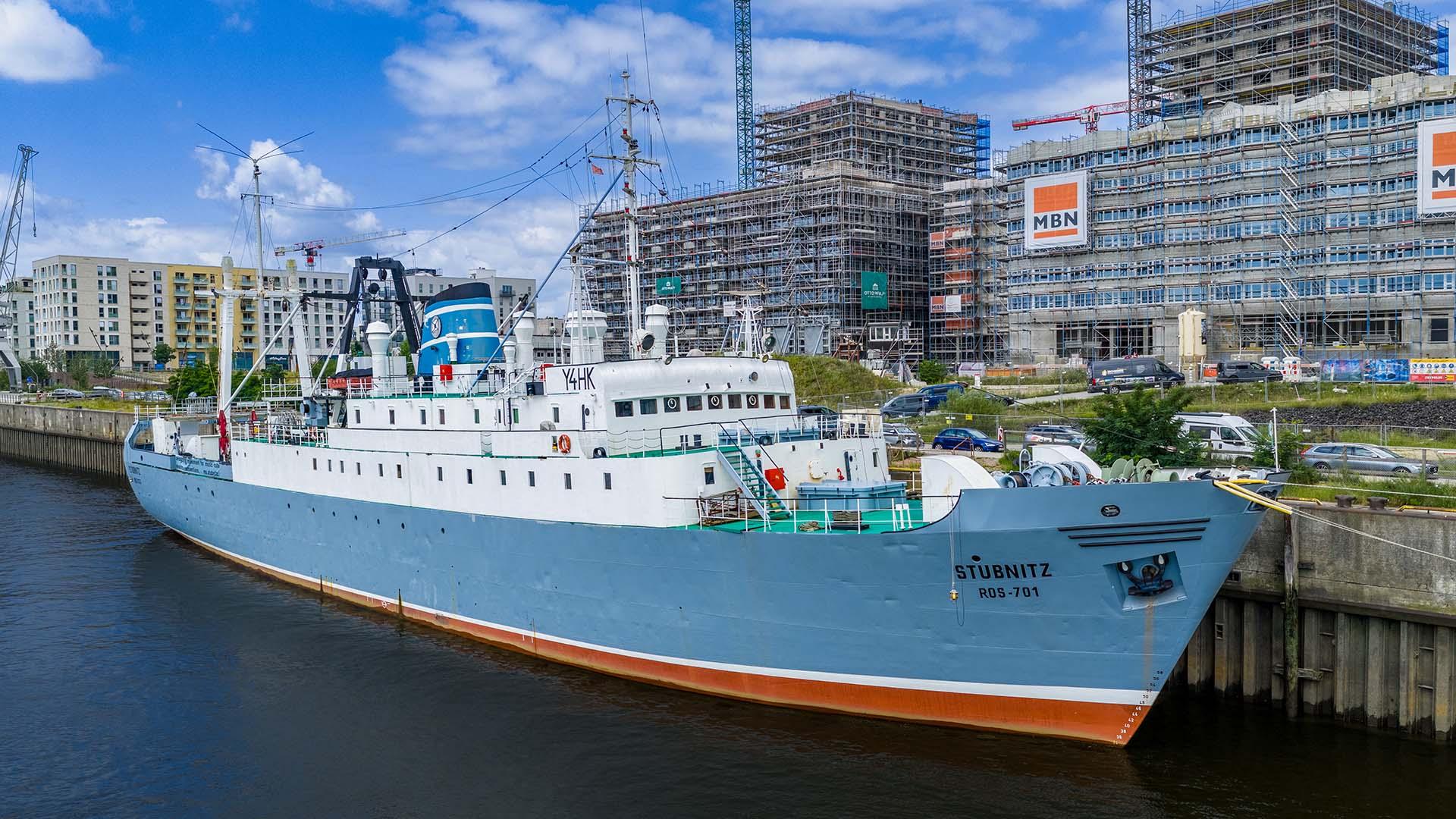
Hamburg’s most unusual underground venue was never built to be a club. Launched in 1964 as an East German refrigerated transport and fishing-fleet support vessel, MS Stubnitz found a second life in 1992 as a travelling cultural space. More than three decades later, the ship still hosts adventurous music beneath its steel decks. Now a new Hamburg berth and an essential 2027 shipyard visit show what it takes to keep this extraordinary place afloat.
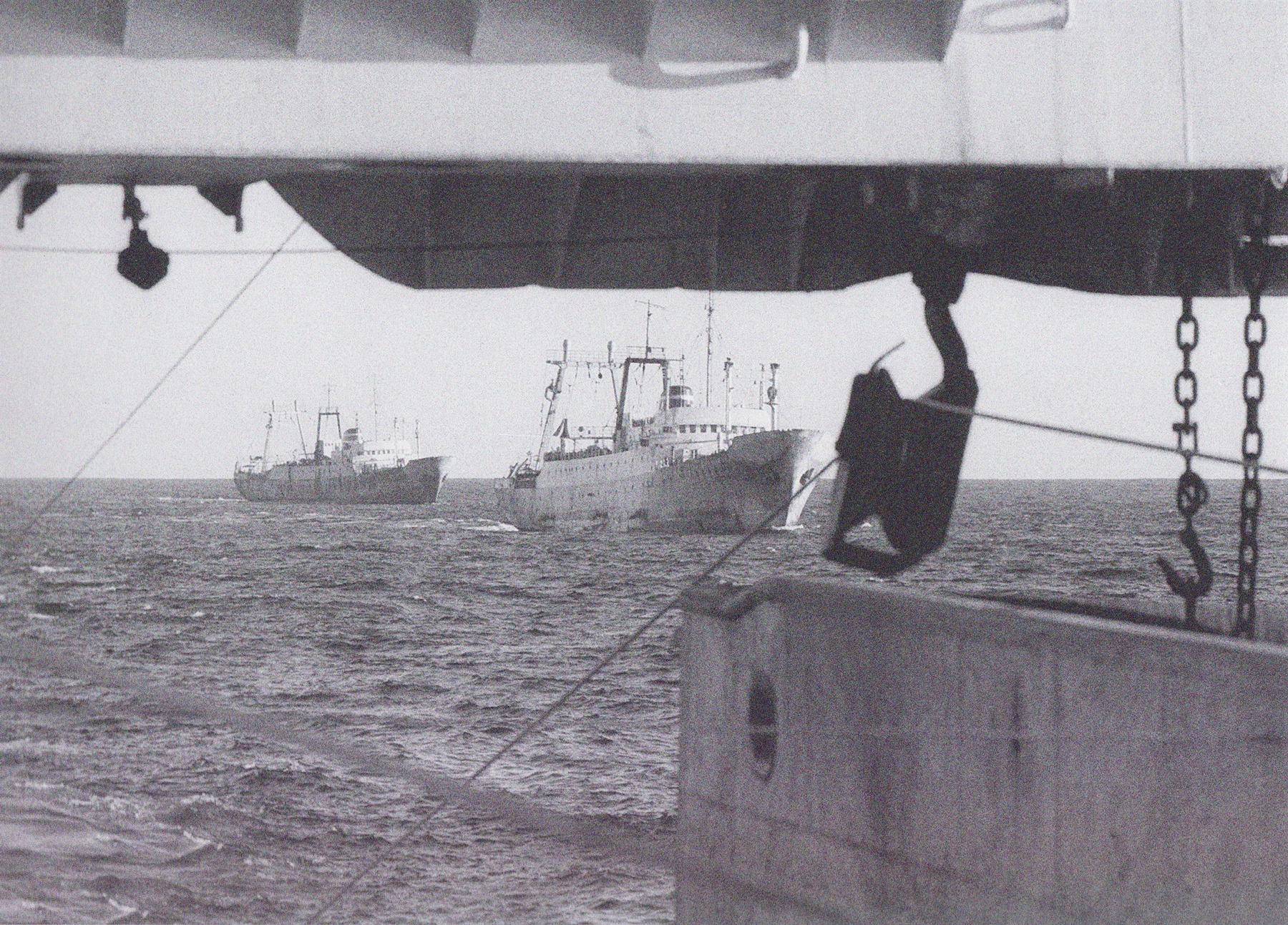
From the fishing fleet to the dancefloor
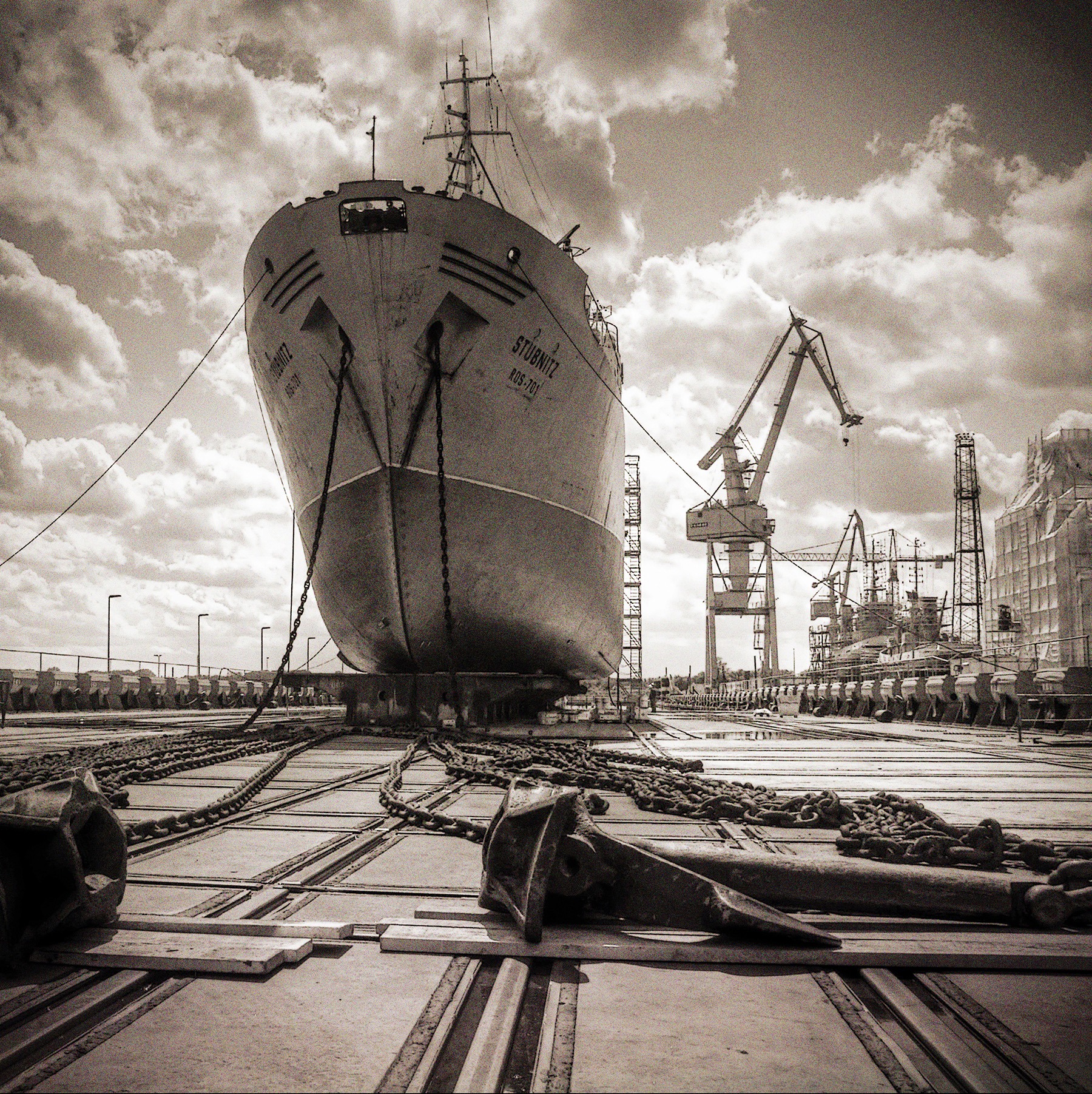
Built in Stralsund in 1964, Stubnitz originally served the Sassnitz deep-sea fishing fleet as SAS 501. From 1984 until 1990 it operated as a refrigerated transport ship for Rostock’s fishing fleet under the identifier ROS 701. Those markings are part of its history, not a decorative industrial theme dreamed up by a club designer. Following German reunification, an artists’ initiative began repurposing the vessel in 1992. Instead of stripping away its working-ship character, the project made its cargo holds and machinery-filled interiors part of the experience. Today the venue accommodates concerts, club nights, performance, exhibitions and cultural gatherings while preserving a functioning maritime monument. The ship’s own historical account describes capacity for up to 700 people across its different spaces.
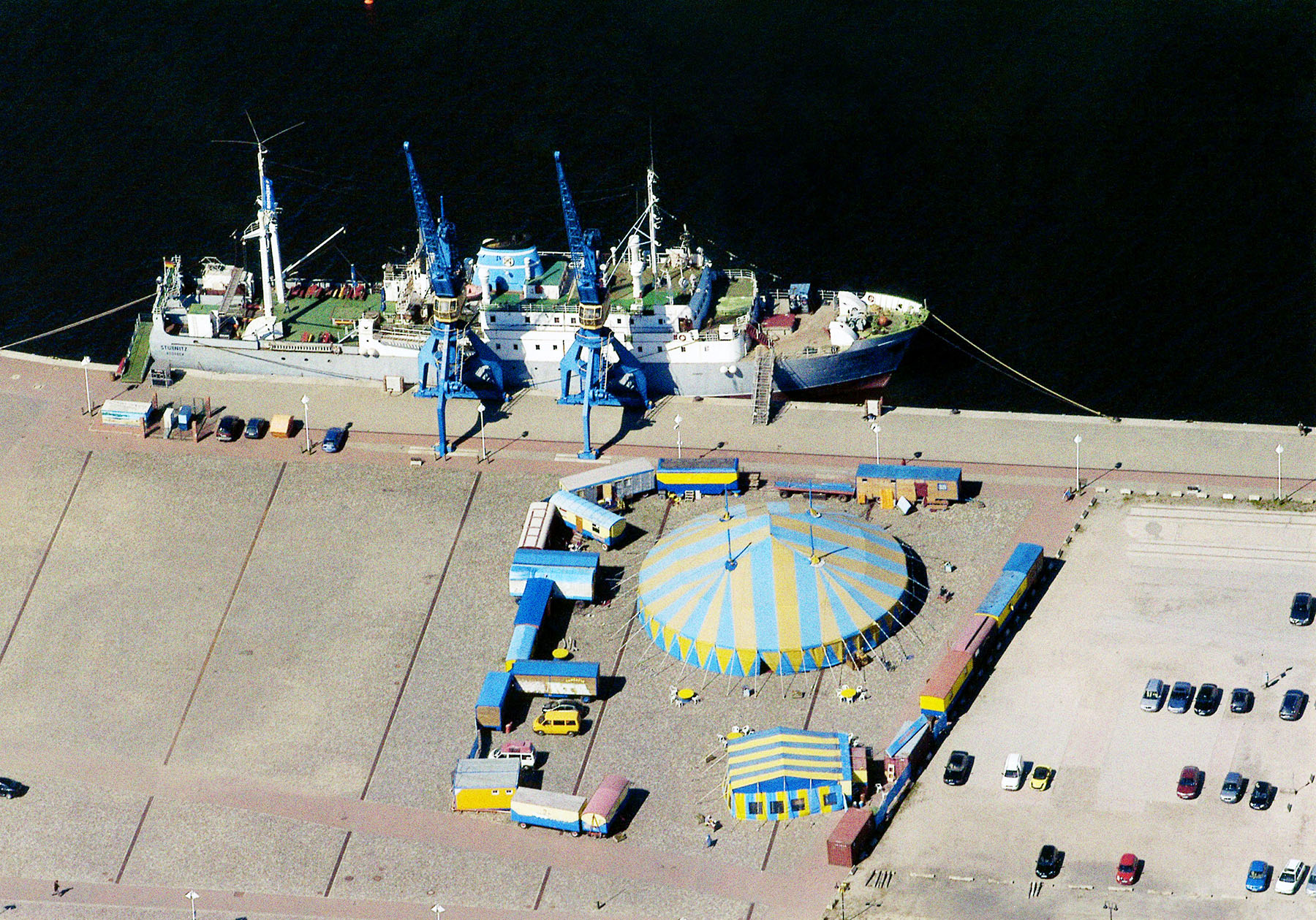
Between 1992 and 2013, Stubnitz visited 22 cities across 11 Northern European countries, collaborating with local scenes rather than existing as a conventional touring entertainment brand. A harbour became the temporary front door to a new network of experimental musicians, independent organisers and audiences. Hamburg became its long-term base in 2014. Its mobility is central to the story. Where most clubs are defined by a postcode, Stubnitz carried the physical room itself from port to port. That unusual model put a former industrial vessel in direct contact with different local underground cultures, often outside the familiar circuit of purpose-built nightclubs.
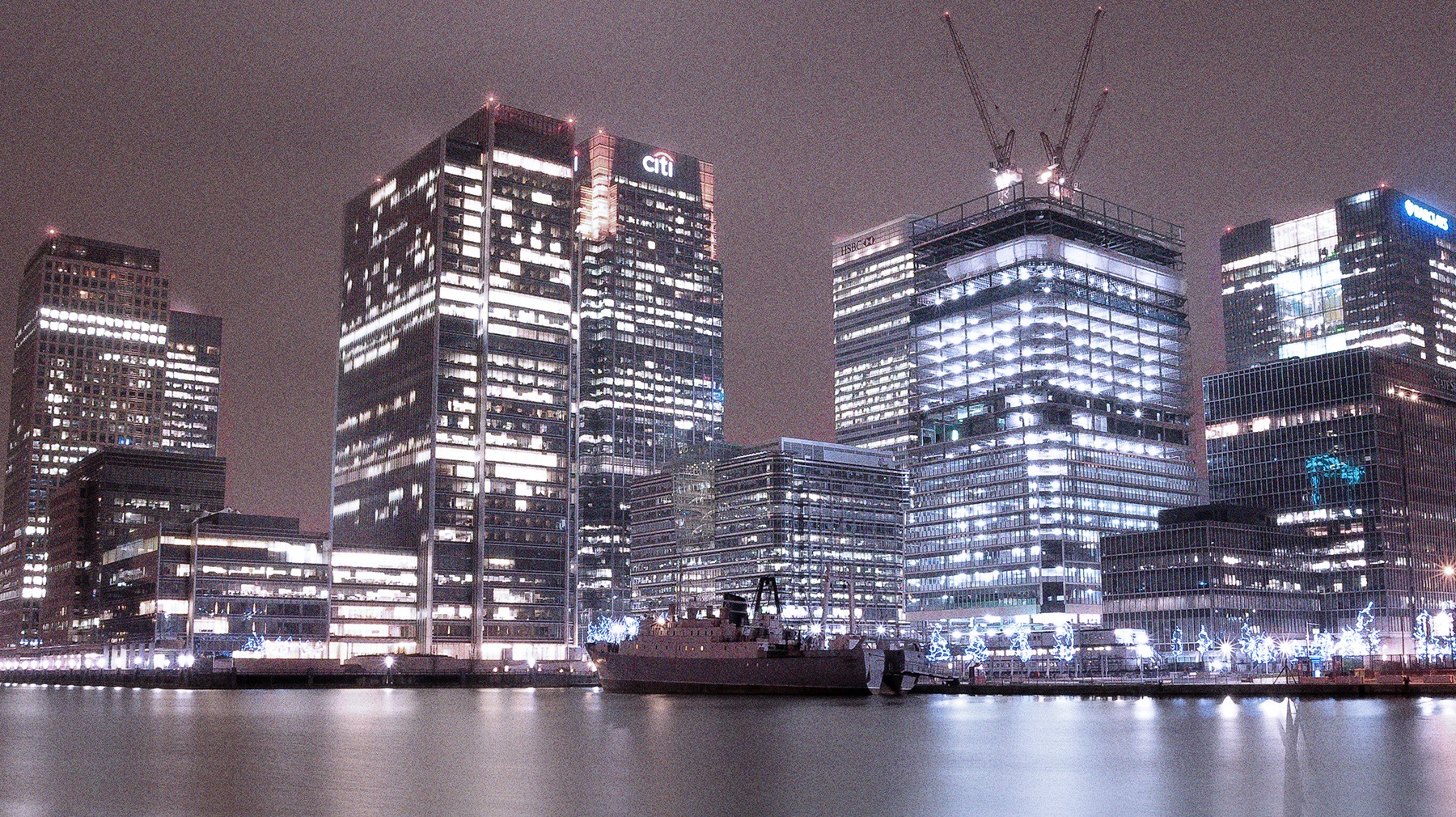
Below deck: the sound of an industrial monument
The appeal is more than the novelty of dancing on a ship. Metal columns, original fittings and low-ceilinged former working spaces shape the atmosphere. The programme crosses electronic music, club culture, experimental performance and other independent sounds. Unlike a replica warehouse interior, this one has an actual working history. There is also an archive hiding behind the nights out. According to Stubnitz, its crew systematically recorded events from the 1990s through summer 2023, creating more than 7,000 concert recordings. The recordings amount to a rare documentary resource for artists and communities whose work does not always survive in mainstream music archives.
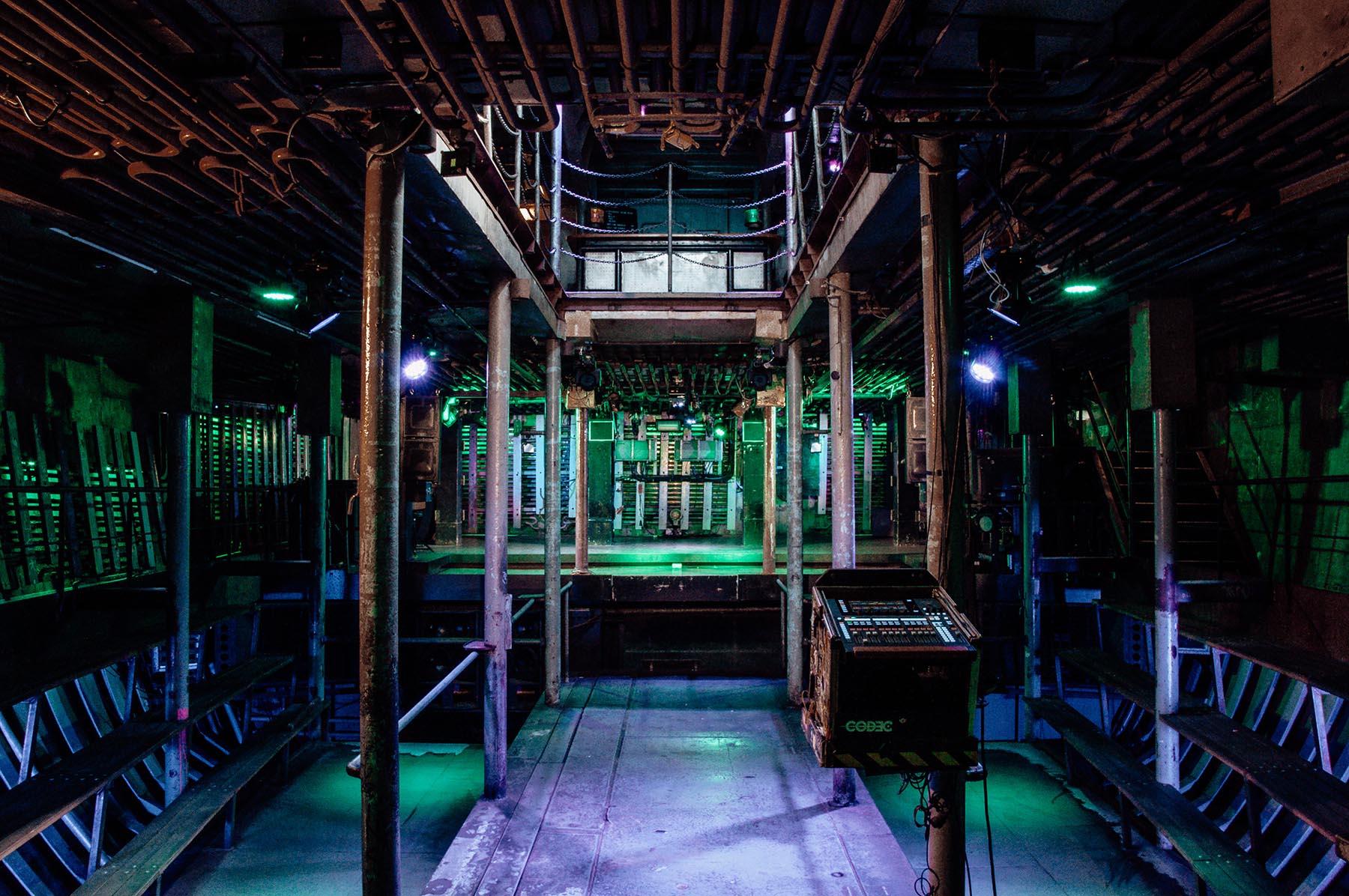
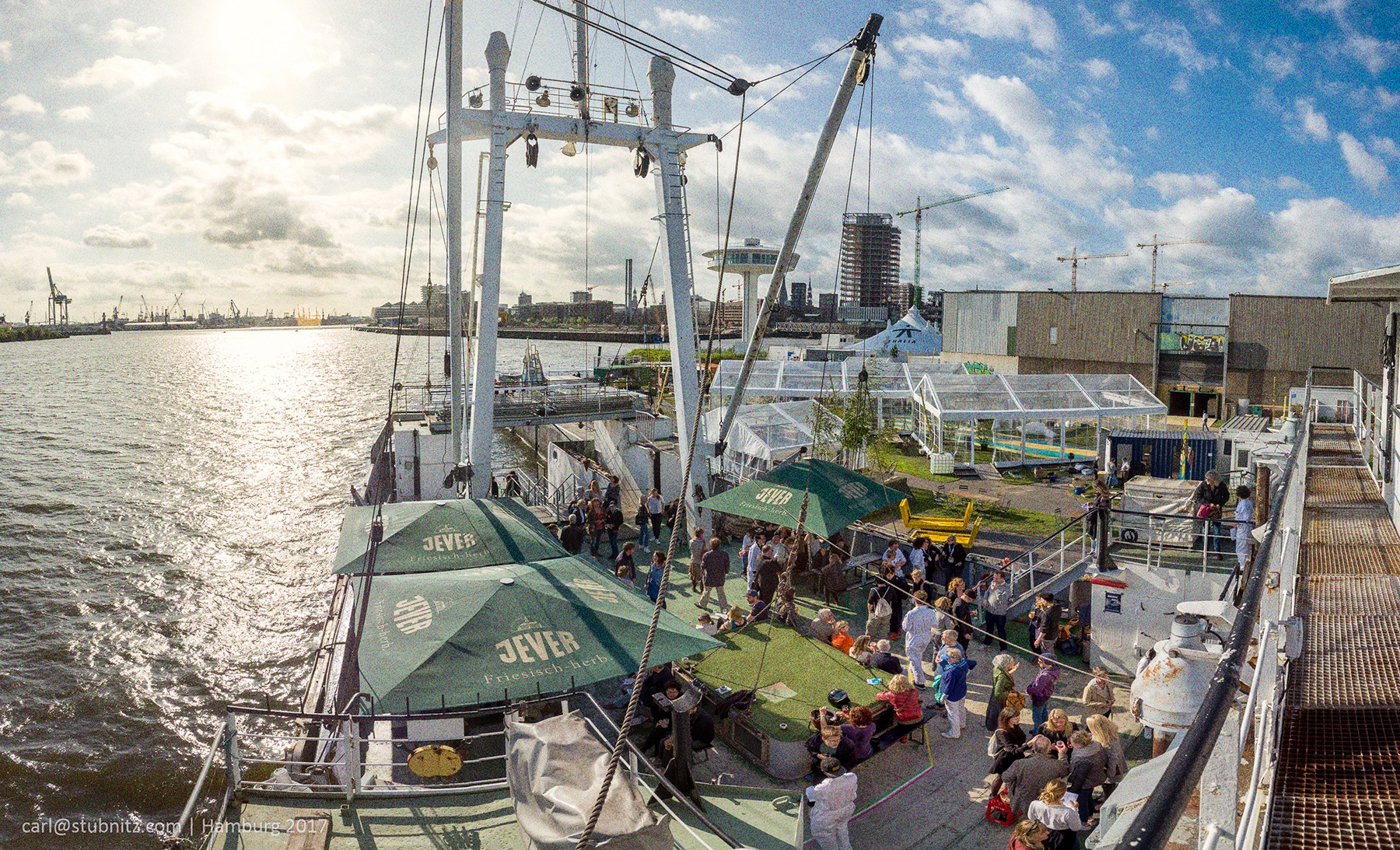
On 5 October 2026, the Stubnitz team announced a move to Baakenhöft 1 in Hamburg’s HafenCity, with events starting there on 6 October. The ship says it currently has a commitment for the location until March 2028. That is a real breathing space, not a guarantee of a permanent home. The position next to a city undergoing significant development makes the story more than a quirky venue address. Stubnitz sits at a meeting point between waterfront redevelopment and grassroots culture. The question is whether a living, independent piece of maritime history can keep its place as the surrounding city changes.
Keeping the ship and its culture alive
In an update published on 3 November 2026, the team confirmed plans to leave Hamburg on 3 January 2027 for the Bredo shipyard in Bremerhaven. The task is to repair a leak at the rudder stock. Doing so requires the ship to enter dry dock and the removal of a rudder blade weighing around four tonnes, followed by work on seals and associated components. The team hopes to return to Hamburg by 22 or 23 January 2027. These dates are its stated plan, not completed events. Stubnitz says the repair is needed ahead of its scheduled ship certification renewal. It also means a period without events and their income. That is the real pressure behind keeping this venue open. Club culture here is not only about programming and sound systems; it is also about protecting a 2,500-tonne historic vessel. The nonprofit says approximately €350,000 a year in sustained support would help it plan for the future. That figure is its own assessment of ongoing preservation and operational needs, not the cost of this single repair.
What is actually happening on board?
The venue’s current programme is the clearest answer to whether Stubnitz really belongs in underground club culture. It does not call every event a rave: its own listings distinguish clubbing from experimental concerts and other cultural gatherings. These are selected confirmed dates from the November programme and December programme, checked on 21 November 2026. Check the organiser’s page for changes and tickets.
- Friday 27 November: RUSH (clubbing). Amrtüm, Voicex, CO:CO, Alex Benz, Autnms and Unjani for techno, hardgroove and hypnotic tribal sounds. Doors 22:30, music from 23:00.
- Saturday 28 November: STUDIO 69 (clubbing). Deck 2 Deck’s bass, breaks and funk night, featuring CHIEF QUEEF, Cufme, DJ Business, Plattenlieferant (Hybrid) and more. Starts 23:00.
- Wednesday 2 December: Dis Fig and Space Afrika (live experimental music). The Exit Elbbrücken series brings industrial electronics, ambient, trip-hop and modern classical influences below deck. This is a concert, not a club night.
- Saturday 5 December: Roots of Darkness by Psyonara (clubbing). A night dedicated to forest, hi-tech, darkpsy and psytrance.
The line-up offers concrete evidence of the venue’s breadth: warehouse-leaning techno one weekend, bass and breaks the next, plus experimental live electronics and underground psychedelic sounds. That range is why describing Stubnitz as a floating cultural venue that hosts underground club nights is more precise than calling it only a nightclub.
An independent cultural space is usually discussed in terms of rent, licences and the threat of redevelopment. MS Stubnitz adds seaworthiness, historic preservation and dry-dock engineering to that list. Its survival depends on a community treating an old ship as something more valuable than a novelty backdrop. In a club landscape often dominated by short-lived openings and heavily branded experiences, Stubnitz represents an unusually tangible form of continuity: 1964 as a working ship, 1992 as a cultural venue, and still active in Hamburg in 2026. Would you spend a night below deck? Explore the official Stubnitz programme for the current line-up and visit the venue at Baakenhöft 1. For CLBCLTR, this is the first instalment of Club Files, our series on the places, people and histories that shape underground culture.
Sources: MS Stubnitz history, berth announcement, shipyard update, and official programme.

More in Clubs & Venues
All of it News
Two in Five Berlin Clubs Are Losing Money, and the Bar Is No Longer Paying the Rent
A survey of 102 venues describes a scene that is not dying so much as inverting: fewer drinks, more tickets, and a business model that no longer works the way it was built.
28 Oct 2026/3 min read News
Berlin's Club Study: 39 Percent of Venues Are Now Running at a Loss
The Clubcommission surveyed 102 Berlin clubs. The picture that comes back is not a dying scene, but one whose economics have quietly inverted.
28 Oct 2026/2 min read News
Leaving Records Opens All Genre, a Different Kind of Listening Space
The independent label has launched a free web platform linking its catalogue, always-on radio and community tools.
23 Oct 2026/1 min read