Ecstasy and Rave Culture: Europe's MDMA Market
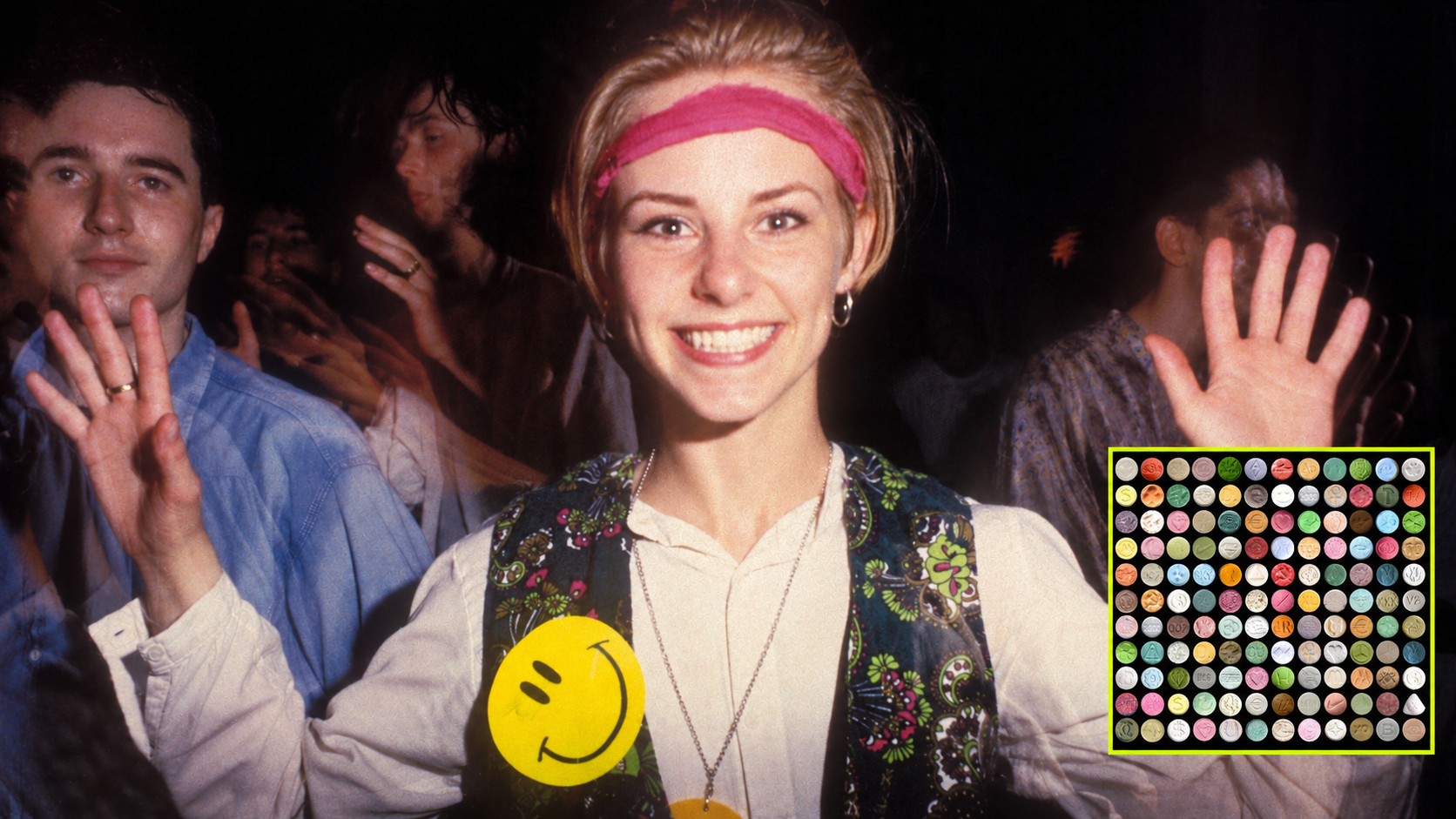
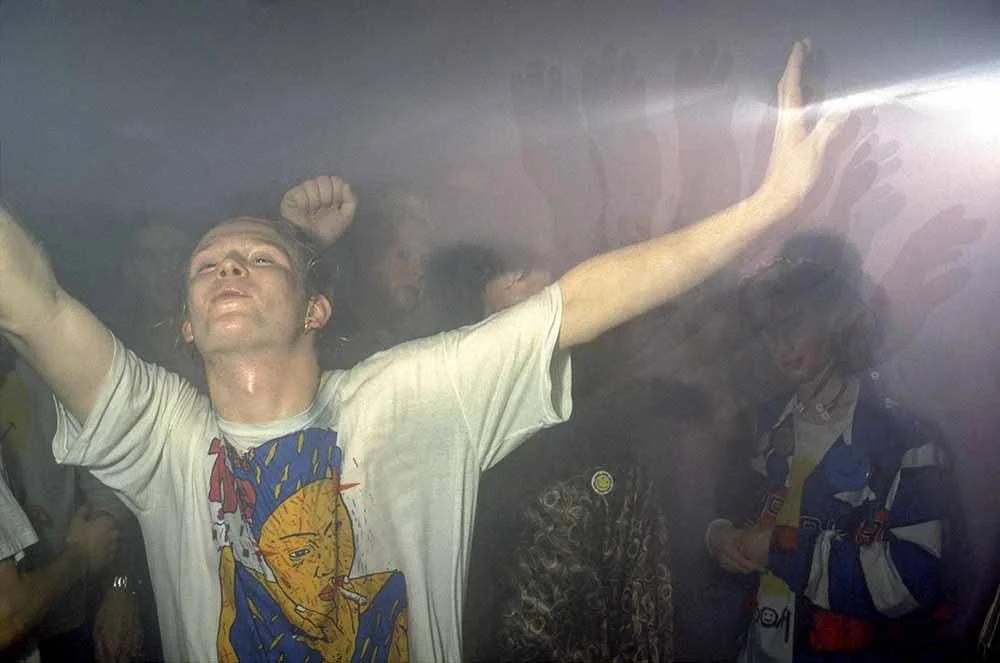
A yellow smiley pinned to a clubber’s vest. A room packed with dancers. Rows of brightly coloured tablets. The images feel inseparable from the history of rave culture, yet the relationship between electronic music and ecstasy is far more complicated than a familiar photograph suggests. The music came first. The communities gave it meaning. The drug became part of the story, but never the whole story.
In 2026, the questions behind that history have not disappeared. The European Union Drugs Agency (EUDA) reports that EU Member States seized 10.7 million MDMA tablets in 2024, alongside 4.2 tonnes of powder. Those are 2024 enforcement figures published in the agency’s June 2026 report, not seizures counted in 2026. To understand what they mean, we have to go back to the dancefloor.
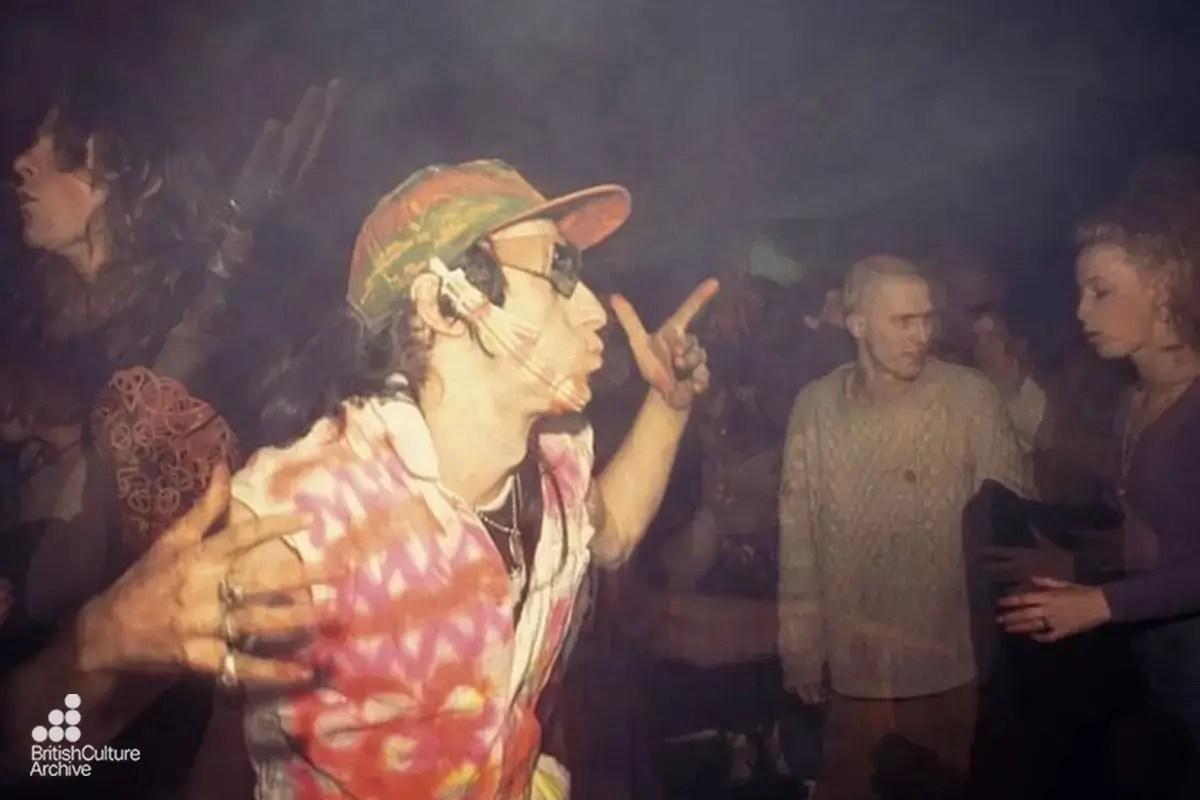
The music came before the myth
House music did not begin with a pill or a giant festival stage. Its foundations were built in Chicago’s Black, Latino and queer nightlife, where disco, soul, gospel and electronic rhythms found new life in the hands of DJs and dancers. At the Warehouse, Frankie Knuckles helped shape a sound and an approach to the dancefloor that made house music a space for expression, connection and belonging. Any history that starts with ecstasy and leaves out those communities misses the people who created the culture.
The musical revolution was also happening inside inexpensive machines and independent record shops. In Chicago, Phuture turned the Roland TB-303 bass synthesiser into something strange and hypnotic on Acid Tracks, released in 1987. Its twisting, resonant bassline became one of acid house’s defining sounds. In Manchester, A Guy Called Gerald’s Voodoo Ray followed in 1988. Around the same period, 808 State were shaping a distinct British electronic sound, with Pacific State becoming a touchstone of Manchester club culture. These records mattered because they sounded like the future, and because people built entire nights around hearing them together.
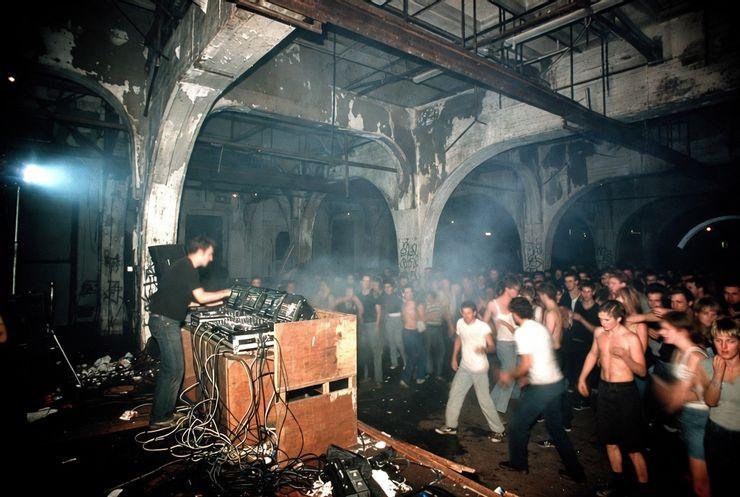
1988: Britain’s Second Summer of Love
By the late 1980s, imported Chicago records, British DJs and the Balearic influence returning from Ibiza were meeting in new places. Danny Rampling’s Shoom in London, founded in 1987, and The Haçienda in Manchester were important but different parts of that expanding world. In 1988, acid house broke beyond specialist clubs into warehouses, temporary spaces and increasingly ambitious parties. Flyers circulated from hand to hand. Recorded telephone messages and word of mouth revealed locations. The crowd followed the music.
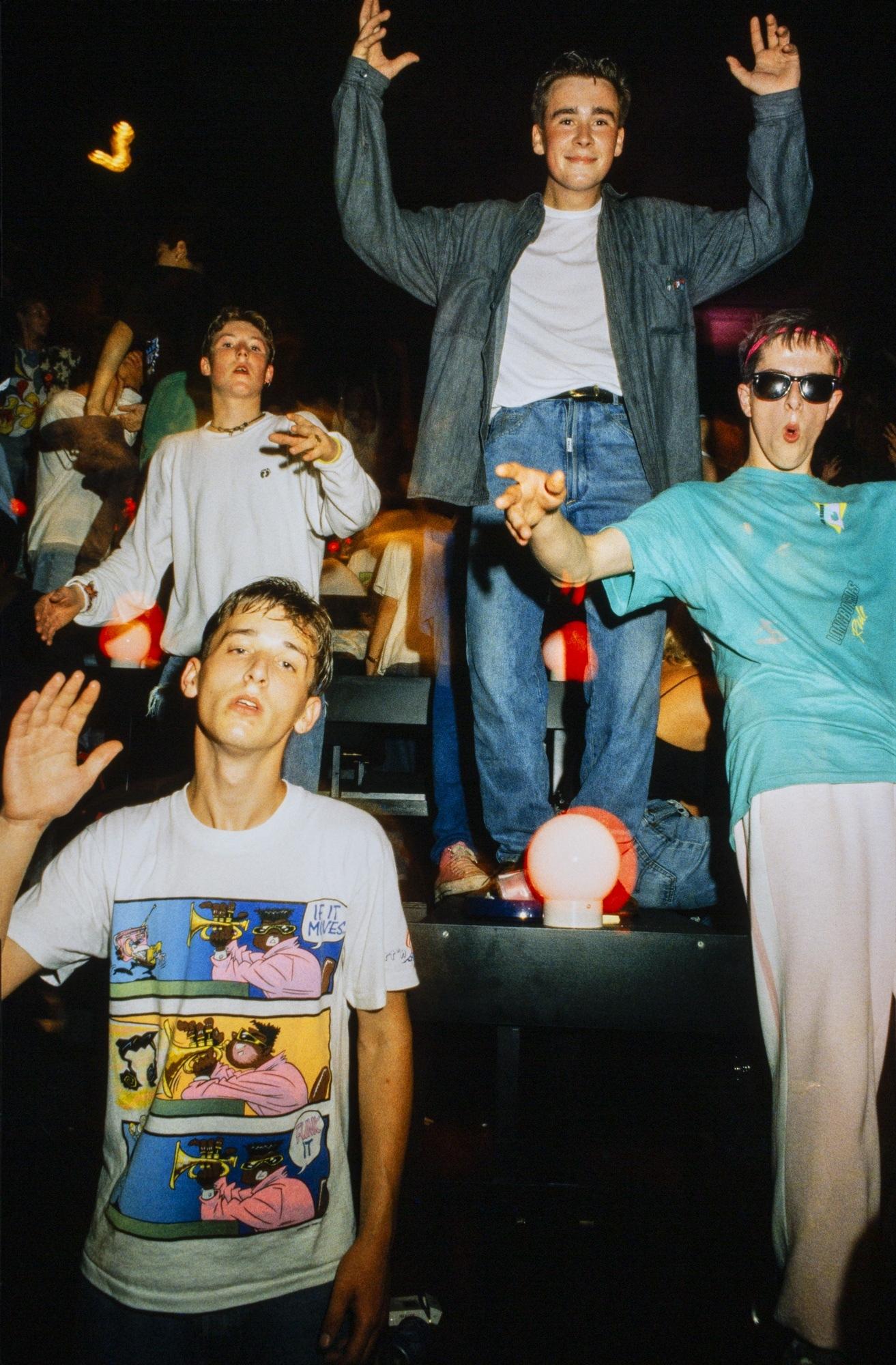
The summer became known as the Second Summer of Love. Smiley faces, loose clothes and a shared enthusiasm for dancing became its visual language. MDMA, commonly sold as ecstasy, also became associated with the scene. Some people described heightened feelings of connection and an altered experience of music. Others came for the records, the people and the freedom of the night itself. Reducing all of it to drug consumption erases the DJs, sound-system crews, promoters, producers and dancers who turned a musical movement into a culture.
As the scene expanded, so did its sounds. House and acid house travelled alongside Detroit techno; British producers and DJs pushed towards breakbeat hardcore, jungle and other new directions. There was no single rave soundtrack, and no single experience of a rave. The defining innovation was the way electronic records, spaces and communities came together on a scale that had rarely existed before.
The movement also became a political flashpoint. The UK’s Criminal Justice and Public Order Act 1994 introduced police powers relating to certain open-air rave gatherings. Its definition of music famously referred to a succession of repetitive beats. The law did not make every club night illegal, but it showed how deeply the authorities had come to associate a particular kind of gathering, and a particular sound, with public disorder. What had begun in marginal spaces was now the subject of national legislation.
The market behind the smiley
Ecstasy’s commercial history is older than rave culture. MDMA was first developed in the early twentieth century and attracted interest in some therapeutic circles decades before becoming associated with nightlife. The modern illegal market is not a nostalgic relic of the 1990s. It is an industrialised, international business with production networks, chemical supply chains, distribution routes and an impact far beyond the people buying tablets at parties.
The EUDA’s European Drug Report 2026, published on 9 June, provides a striking snapshot. EU Member States reported 24,000 MDMA seizures in 2024, up from 17,000 in 2023. The amount included 10.7 million tablets, compared with 7.2 million the previous year, and 4.2 tonnes of powder, up from 3.6 tonnes. These figures measure substances intercepted by authorities. They do not tell us directly how much MDMA was consumed, nor whether every part of Europe’s nightlife is using more.
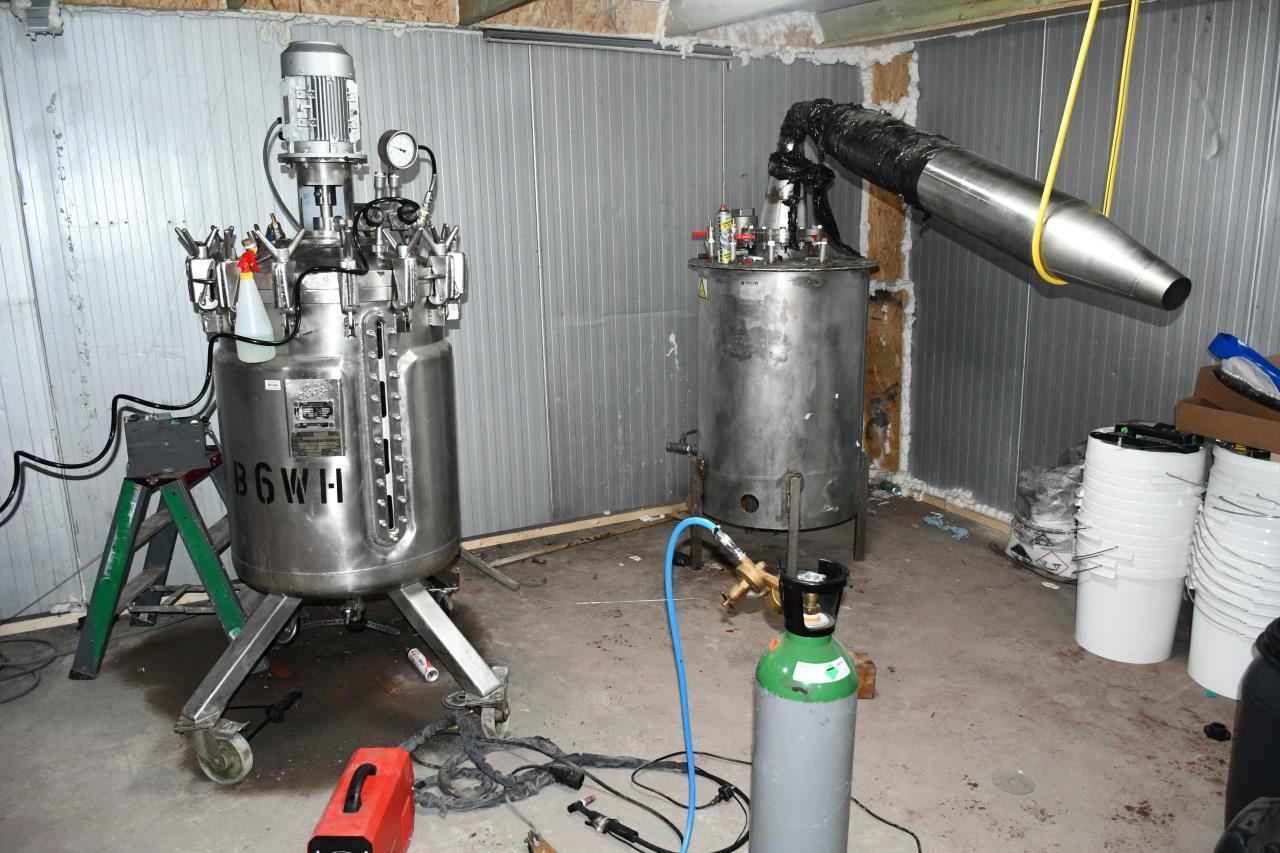
In the same 2024 reporting period, authorities in four EU countries dismantled 59 MDMA laboratories, compared with 36 in 2023. The Netherlands accounted for 47, Spain for seven, Belgium for four and Germany for one. EUDA says production is concentrated particularly in the Netherlands and Belgium, with Spain increasingly significant. Some European production supplies markets outside the continent, including destinations in Oceania, Asia and Latin America. The environmental cost also matters: EUDA estimates that illicit MDMA production in Europe may generate between 1,000 and 3,000 tonnes of chemical waste each year.
A separate EUDA and Europol market analysis published in March 2025 estimated the European MDMA retail market to be worth at least €594 million annually. That is a minimum market estimate from a different report, not the financial value of the tablets seized in 2024. The numbers describe organised criminal supply, not the worth of the clubs, communities or music with which MDMA has become culturally linked.
What the 2026 evidence really says
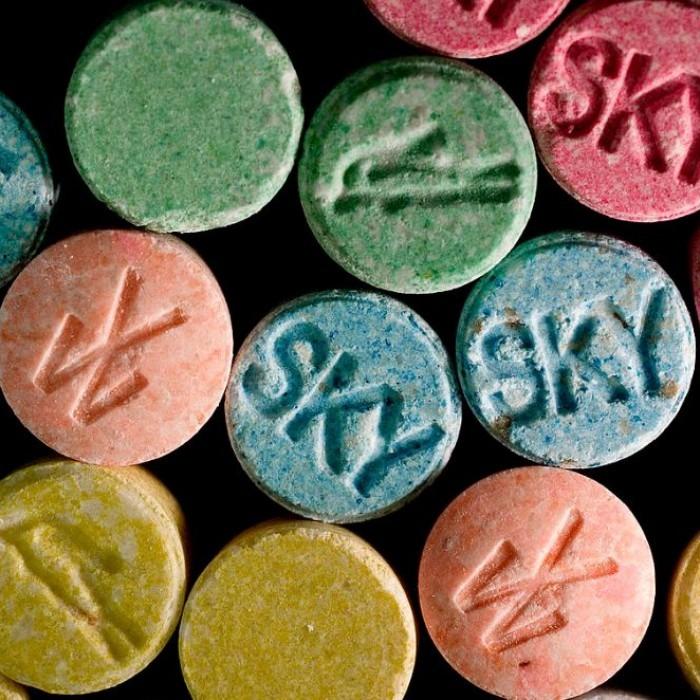
The colourful logos are part of the problem. A familiar stamp can look like a guarantee, but it is not a chemical test. EUDA reports that ecstasy tablets remain strong by historical standards. Average retail tablet content in Europe rose from around 84 milligrams of MDMA in 2011 to 170 milligrams in 2019 and has remained elevated. Tablets containing 300 milligrams or more have also been detected. Strength varies, and even a product containing MDMA without other drugs can carry serious health risks.
Drug-checking services offer a more precise, if incomplete, picture. In 2025, 14 services across eight EU Member States tested 5,857 samples sold as MDMA for other psychoactive substances. MDMA was the only psychoactive substance detected in 85% of the samples; the remaining 15% contained at least one additional psychoactive substance. In comparable services, that proportion had been 9% in 2024. Unexpected substances most frequently included synthetic cathinones, with cocaine and ketamine also identified. These are voluntarily submitted samples and cannot be treated as a representative test of every tablet or powder sold in Europe.
There is another finding that complicates an easy headline about an ever-expanding party drug market. Among 78 European cities with comparable wastewater measurements for 2024 and 2025, MDMA residues decreased in 48, remained stable in 12 and increased in 18. Wastewater measurements have limits, just as seizures and voluntary drug-checking data do. Taken together, they show why production, trafficking, availability and consumption should not be collapsed into the same claim.
For clubs and festivals, the lesson is practical rather than moralistic. Clear information about high-strength products, accessible medical support, trained staff and drug-checking services where available can all form part of an evidence-led response. Drug checking can help identify unexpected contents, but no result can make drug use risk-free. The EUDA continues to identify acute poisonings, hospital presentations and deaths involving MDMA, especially amid concerns about strong products and the use of multiple substances.
Ecstasy did not invent house music, and a tablet does not explain four decades of club culture. Chicago’s pioneers, Manchester’s producers, underground promoters and generations of dancers built something larger than a chemical association. But respecting that history also means taking today’s illicit market and its risks seriously. The smiley face still evokes the optimism of a different era. In 2026, the question is how to protect the people and spaces behind that symbol without forgetting the music that brought them together in the first place.
Related reading: Pink cocaine: Why the name tells you nothing about what’s inside examines what forensic tests actually find in mixtures sold as tusi.
Reporting sources: EUDA, European Drug Report 2026: MDMA (published 9 June 2026, including 2024 seizures and 2025 drug-checking data); EUDA/Europol, EU Drug Market: MDMA (27 March 2025); British Culture Archive, Acid House; Roland, 303 Day / Phuture; A Guy Called Gerald, official biography; 808 State, official biography; Criminal Justice and Public Order Act 1994, section 63.

More in Culture
All of it Culture
Kraftwerk Berlin Apologises Over Military AI Launch
23 Nov 2026/5 min read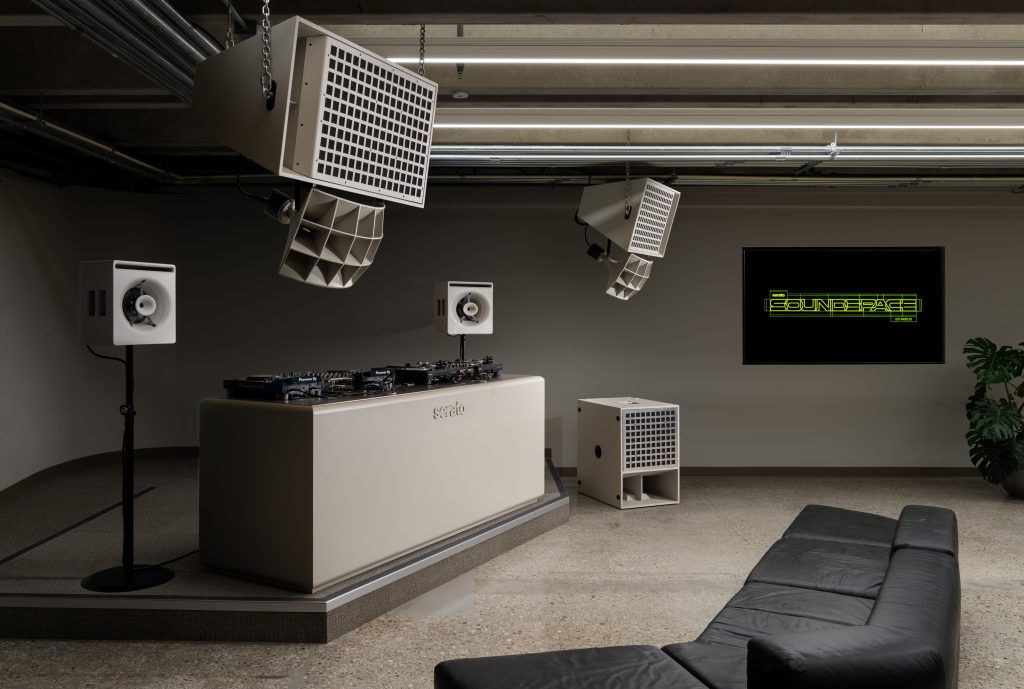 Culture
Serato Opens SoundSpace in Los Angeles
20 Nov 2026/1 min read News
Daft Punk’s Alive Pyramid Is Heading Into the LEGO Universe
An official partnership will develop a LEGO set inspired by the duo’s Alive 2007 stage, alongside further projects.
23 Oct 2026/1 min read