The Pitch Fader Came Back, and It Is Not Nostalgia
The most discussed DJ hardware of the year competes on physical control rather than screens. That says something about where playing records is going.
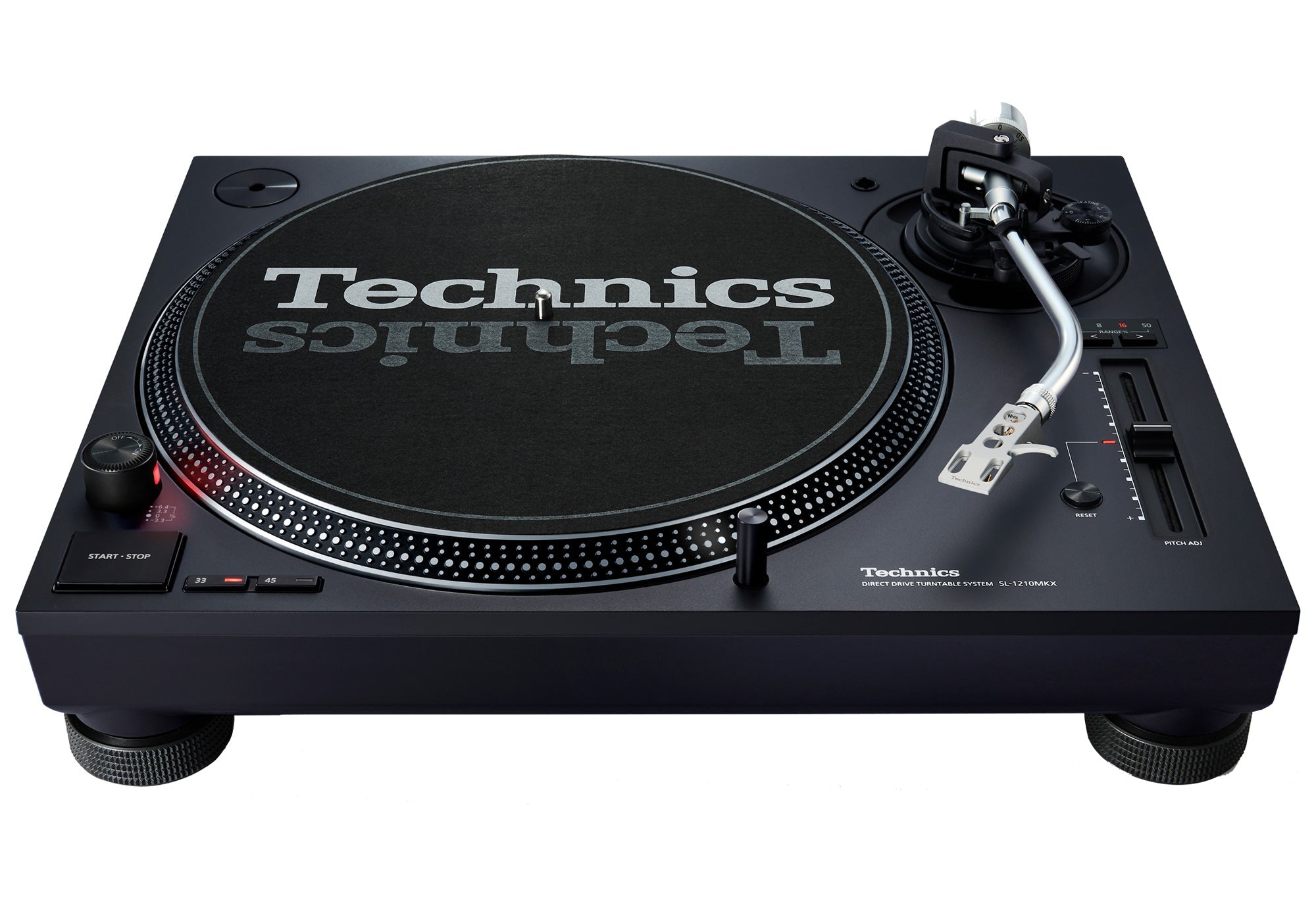
Photo: link preview from us.technics.com
Look at what the new gear is actually selling. Technics' flagship leads with a dedicated four percent pitch range beside a fifty percent setting, plus 78 rpm and reverse. The new mixers compete on four-band EQ and on filters that behave intelligently, not on effect counts. After a decade in which the interesting developments were all on screens, the industry is investing in the parts that respond to a hand. The two pitch ranges are the clearest example, because they answer opposite needs. Narrow range is about resolution: the fader travel is the same, the adjustment is a quarter of the size, and the small corrections that hold a long mix together become playable rather than approximate. Wide range is about material: a record pitched far from where it was pressed stops being a song and becomes a texture. None of this is an argument against sync. Sync is not going away, it should not, and the people most loudly opposed to it are usually defending a skill rather than a result. But tools that reward physical control keep alive something genuinely musical: hearing a drift, correcting it, and using tempo as an expressive choice rather than a setting. If you have only ever mixed with sync on, try a month with it off and the pitch range as narrow as your equipment allows. The point is not purity. It is that your ear becomes measurably better at hearing small differences in timing, and that improves every other decision you make behind a pair of decks.
Specifications from manufacturers' own announcements.
Do you still mix by ear with the pitch?
Tell us whether sync changed your playing.
Join the discussion