Two in Five Berlin Clubs Are Losing Money, and the Bar Is No Longer Paying the Rent
A survey of 102 venues describes a scene that is not dying so much as inverting: fewer drinks, more tickets, and a business model that no longer works the way it was built.
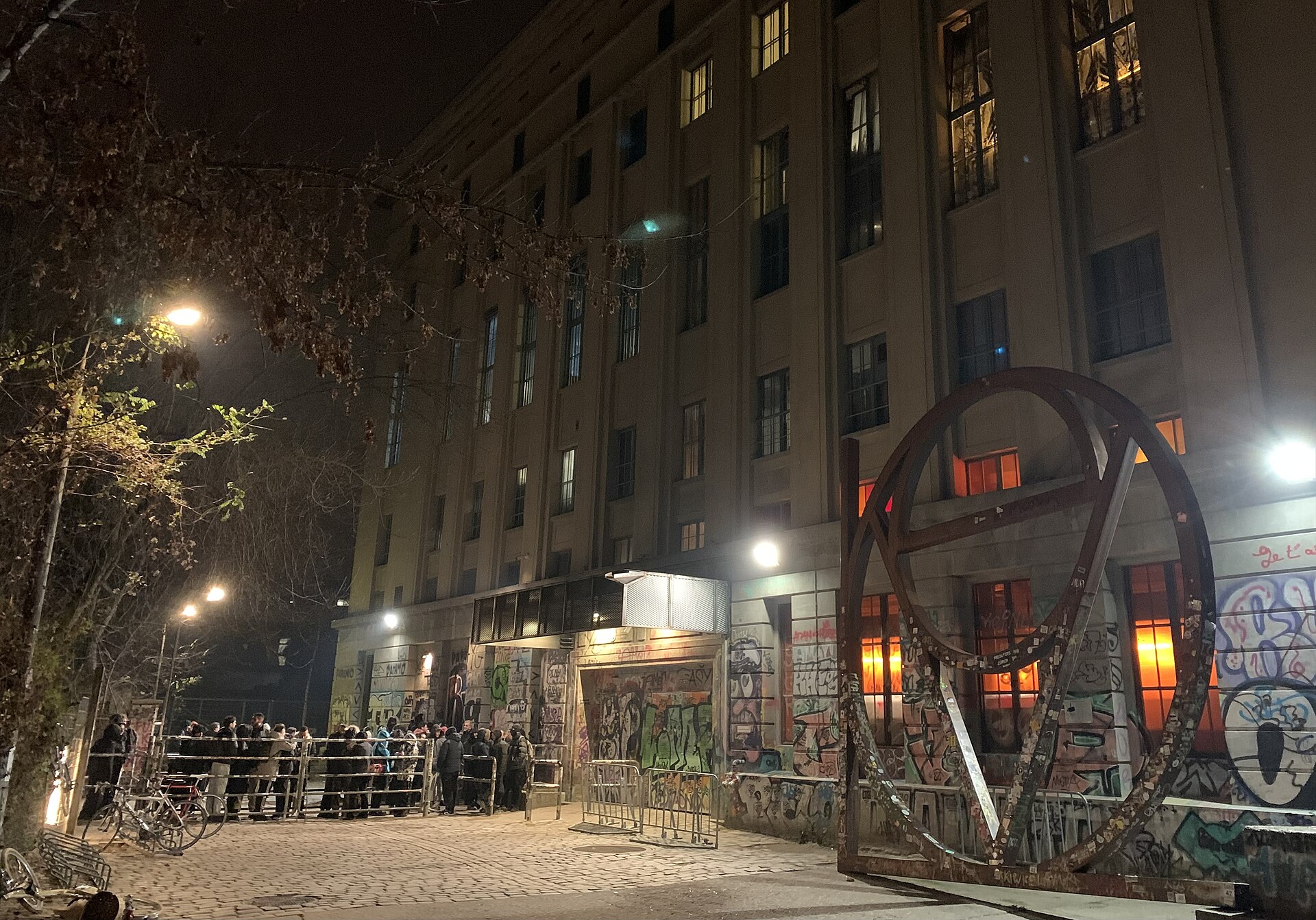
Photo: Lear 21 / Wikimedia Commons, CC BY 4.0
The Berlin Clubcommission has published the results of a survey of 102 clubs, and the number everyone will quote is this one: thirty-nine percent reported operating at a loss in 2025, against twenty-one percent in 2017. Roughly thirty percent made a profit. In the city that other cities point to when they argue for their own nightlife, two in five clubs are now losing money while the doors stay open.
The second number is less dramatic and more interesting. Since 2020, twenty-four clubs have closed in Berlin and twenty-five have opened. That detail rarely survives the headline, because it complicates the obituary. The scene is not simply shrinking. It is churning, with new rooms replacing lost ones, usually smaller, often further out, and almost never with the long, cheap leases that made the famous venues possible in the first place. Underneath both figures sits a structural change. Seventy-three percent of clubs reported that alcohol consumption had fallen, while sixty percent saw sales of non-alcoholic drinks rise. For a business built on a modest door charge and an expensive bar, that is not a passing trend, it is the collapse of the subsidy that made cheap entry possible. The ticket is now carrying the night, which changes who can afford to go out and how often they do it. Ask anyone who programmes a small room and they will describe the consequences before they see the data. A crowd that arrives later, drinks less and leaves earlier produces the same noise complaints and half the revenue. Bookings get safer, because a risky Thursday is no longer covered by a profitable Saturday. The rooms that take chances on unknown artists are precisely the ones with the least margin to do it. None of this is unique to Berlin. It is simply where somebody counted. Any city whose club sector rests on the same assumptions is probably looking at a version of the same curve, without the evidence to prove it. That is the real value of the Clubcommission's work: it replaces a feeling that something has changed with a baseline that can be tested, argued with and taken into a room where licensing decisions are made. The uncomfortable conclusion is that the ticket price has to tell the truth. A scene that charges as though drinks will cover the gap is pricing its own future out of existence, and asking audiences to accept a structure nobody has explained to them.
Study published in August 2026 by the Berlin Clubcommission.
Is your scene feeling the same squeeze in Berlin?
Tell us what has changed at your door and your bar.
Join the discussion