Berlin's Club Study: 39 Percent of Venues Are Now Running at a Loss
The Clubcommission surveyed 102 Berlin clubs. The picture that comes back is not a dying scene, but one whose economics have quietly inverted.
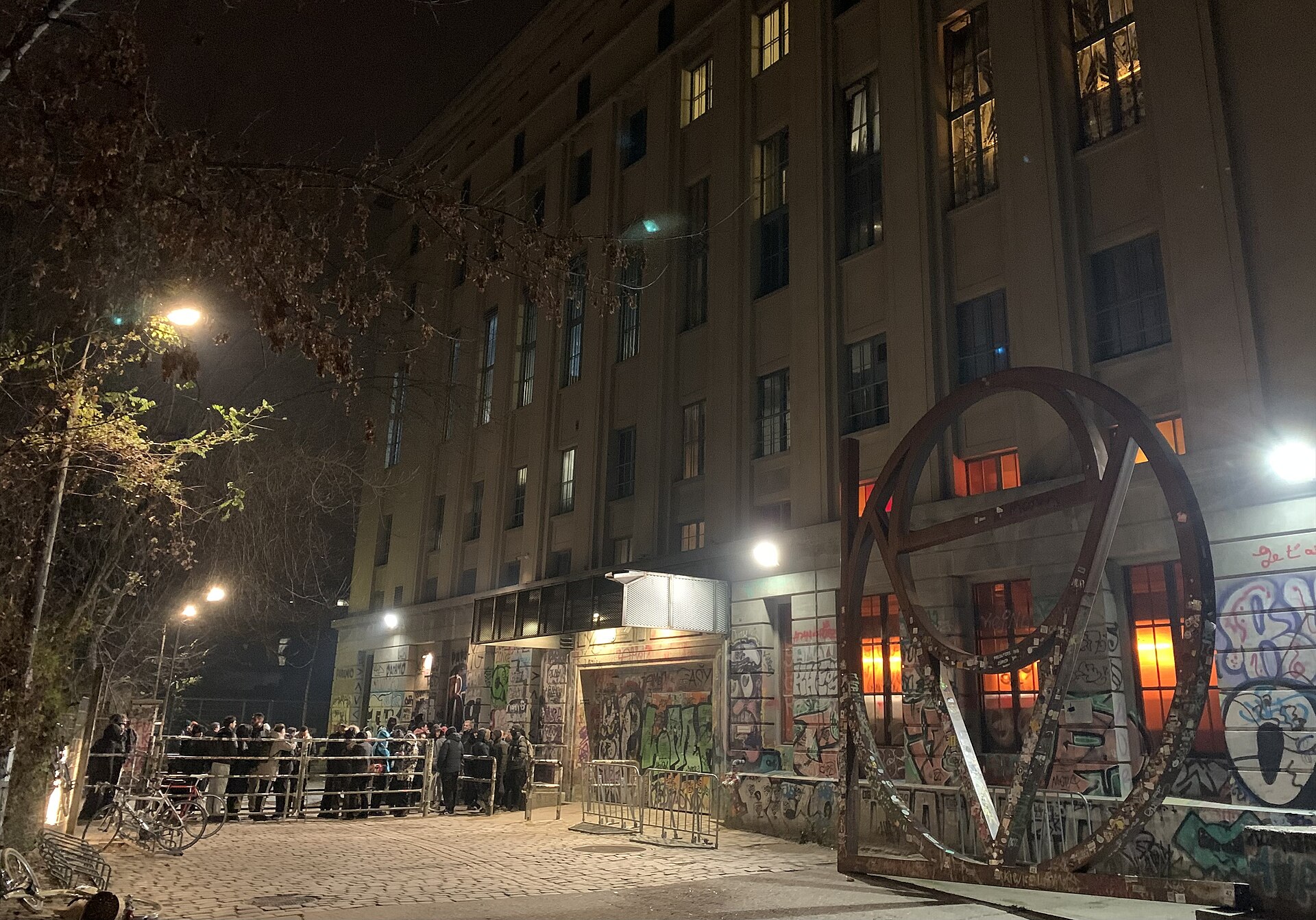
Photo: Lear 21 / Wikimedia Commons, CC BY 4.0
Inside Clubcommission
The headline number
Of the 102 Berlin venues surveyed, 39 percent reported operating at a loss in 2025, against 21 percent in 2017. Around 30 percent reported a profit. In a city whose nightlife is routinely described as world-leading, roughly two in five clubs are now losing money while the doors stay open.
Closures, but also openings
Since 2020, 24 clubs have closed in Berlin and 25 have opened. That detail is usually left out of the obituaries. The scene is not simply shrinking; it is churning, with new rooms replacing lost ones, often smaller, often in less central districts, and usually without the long leases that made the old institutions possible.
The bar is no longer paying the rent
The study found 73 percent of clubs saw alcohol consumption fall, while 60 percent saw non-alcoholic drinks rise. For a business model built on cheap entry and expensive drinks, that is a structural problem rather than a trend. Clubs are increasingly funded by the ticket, which changes who can afford to come and how often.
Why this matters outside Berlin
Berlin is where this gets measured, not where it is happening alone. Any city with a club sector built on the same assumptions — low door, high bar, young crowd going out weekly — is likely looking at a version of the same curve. The value of the Clubcommission's work is that it replaces anecdote with a baseline others can test.
The study was published in August 2026 by the Berlin Clubcommission.
Is your local scene feeling Clubcommission?
Tell us what has changed at your door, your bar and your bookings.
Join the discussion